
Tariff Nation at Midyear: A New Deal With Europe, a Zombie USMCA, and a Cold Standoff With China
The European trade agreement took effect July 1 with Brussels dropping duties on American industrial goods, while North American trade drifts through review limbo and Beijing plays chess with export controls.

By Media Mogul World Desk · World Bureau
· 2 min read
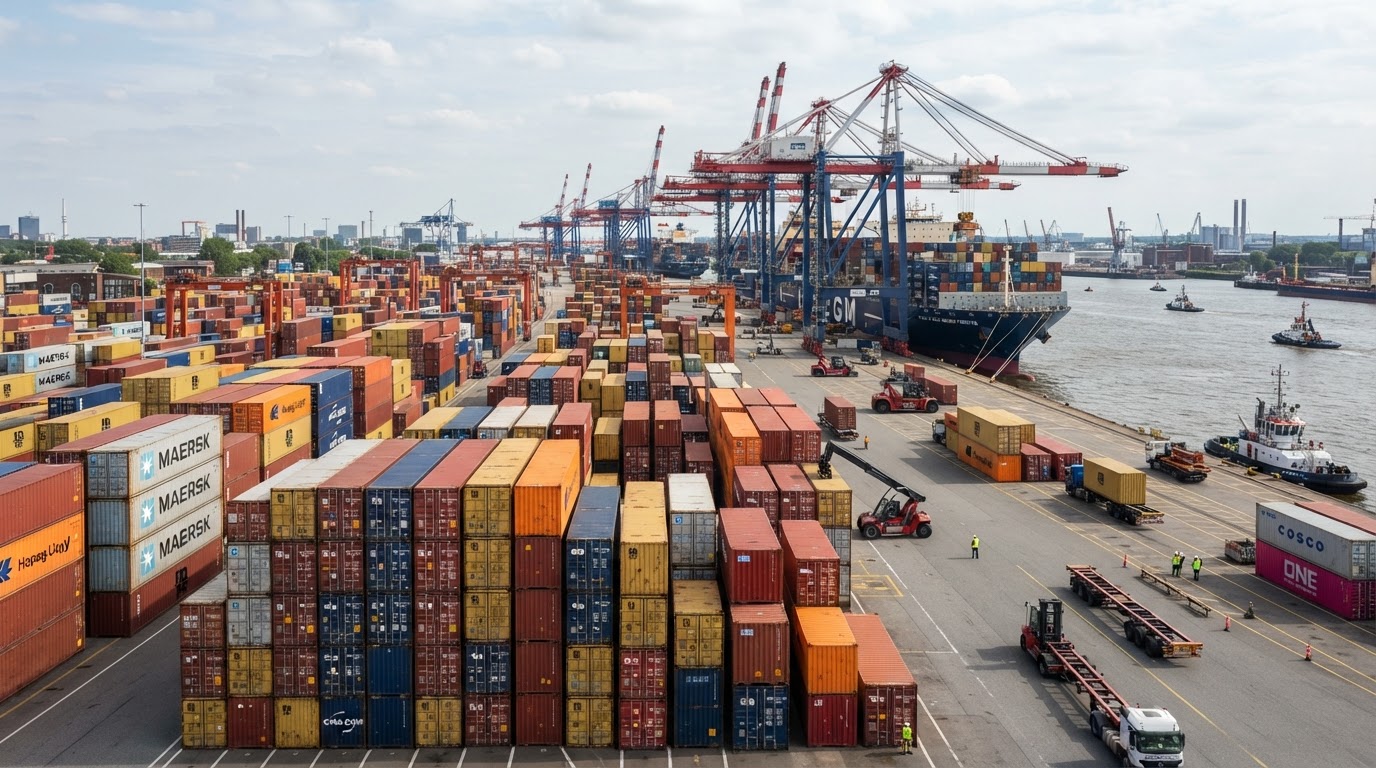
Halfway through 2026, the great trade realignment is no longer a threat or a promise. It is the operating system of the world economy, and it is worth taking stock of what has actually been signed, stalled, and stared down.
Start with the win. The new agreement with the European Union took effect July 1. Under its terms, the EU removes duties on American industrial goods while the United States applies a 15 percent tariff on most European imports, with preferential access carved out for certain American seafood and farm products. After decades of Brussels lecturing Washington about free trade while protecting its own markets, American negotiators extracted asymmetry in America's favor.
The 15 percent figure did not appear from nowhere. Back in February, European capitals were warning that transatlantic trade deals were at risk after the administration imposed a global 15 percent tariff. Five months later, Europe signed anyway. That is what leverage looks like when someone is finally willing to use it.
North America is a stranger story. The USMCA, covering roughly 2 trillion dollars in trade, has entered what analysts describe as limbo rather than termination, subject to annual reviews that could run up to a decade. If no new agreement is reached, the current pact expires in July 2036. Farmers, automakers, and border state manufacturers now plan around a treaty with an asterisk on it.
China is the hard case, and the game has changed shape. The competition has shifted from simple tariffs to what one analysis calls list based coercion: designations, procurement bans, and export controls wielded by both sides. Two live tensions define the moment, a pending 14 billion dollar arms package for Taiwan and Chinese agricultural purchase commitments that remain unfulfilled. The relationship is being managed move by move, which is a polite way of saying nobody trusts anybody.
Now the honest part. Tariffs are a tool, not a religion, and this page will not pretend otherwise. These policies land at kitchen tables, because import taxes influence what families pay for cars, electronics, and food, and trade uncertainty weighs on the manufacturing towns tariffs are meant to rescue. The Tax Foundation's running tally of the trade war exists precisely because the costs are real and measurable.
The test for economic nationalism was never whether it could raise barriers. It is whether the barriers actually bring the factories, the jobs, and the sovereignty home, and whether the deals struck behind them favor the American worker rather than the multinational lobbyist.
The Europe deal suggests the strategy can produce results. The USMCA drift suggests it can also produce paralysis. And the China standoff reminds us that when two great powers weaponize commerce, the ammunition is ultimately the prosperity of their own citizens. Keep the receipts, and judge by results.
Sources
Questions readers ask
What is Media Mogul News?
Media Mogul News is an independent, reader-supported news site led by Chief Editor Nate Jurewicz. We cover the stories corporate media skips: political corruption, Big Pharma, the deep state, election integrity, cannabis freedom, crypto and the money behind all of it.
What is your political stance?
We are pro-liberty, pro-cannabis, anti-war and anti-corruption, and we hold both parties to the same standard. We are not a party outlet. When the people we agree with get something wrong, we say so.
How is Media Mogul funded?
By readers. We take no pharmaceutical advertising and no money from the industries we cover. Support comes from newsletter readers, donations and Media Mogul merchandise.